



Scan QR Code & Follow Us on WeChat
|
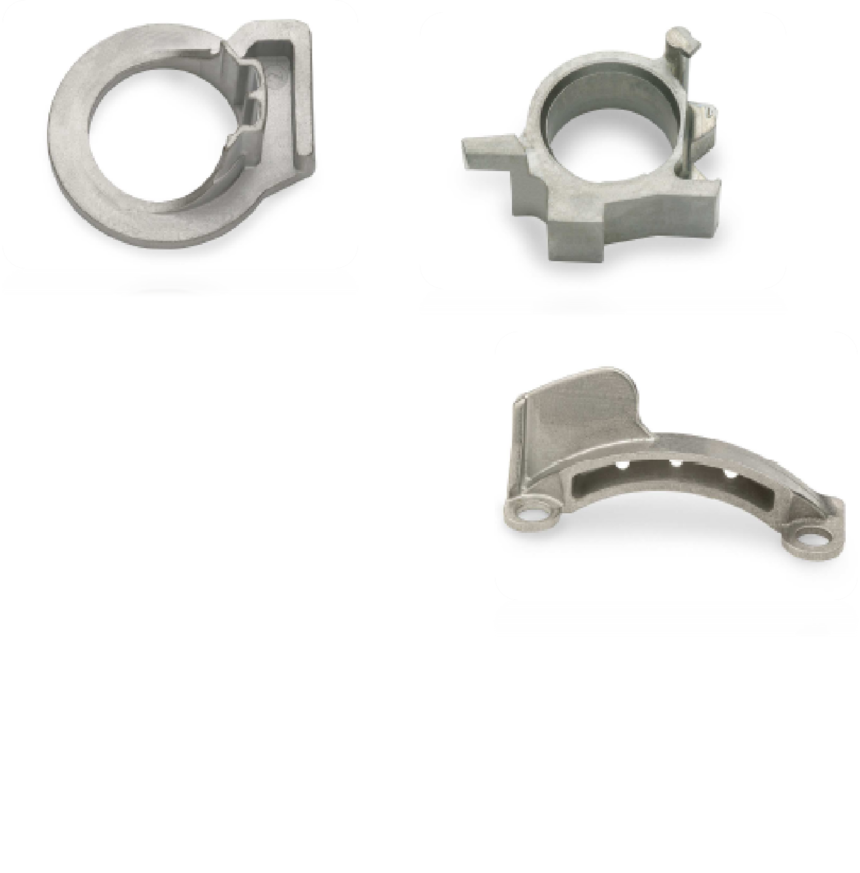
MIM Applications in Automotive ManufacturingAs a near-net forming process with little or no machining, MIM saves substantial raw materials and cuts production costs in automotive component manufacturing. It also reduces part weight to facilitate vehicle lightweighting and lower environmental pollution, gaining wide recognition in the auto industry since its market debut in the 1990s. Nowadays, automakers adopt MIM to fabricate intricate-shaped parts, bimetallic components and miniature part assemblies, including turbocharger components, adjusting rings, fuel injector parts, turbine blades, gearbox fittings and power steering components.
China has grown into the world’s largest automobile producer, with its automotive industry occupying a vital position in national economic development. In recent years, affected by slower macroeconomic growth and China-US trade frictions, China’s auto output has seen a mild decline. Official data from the National Bureau of Statistics shows China’s automobile output hit 25.225 million units in 2020. Nevertheless, the penetration of MIM parts in China’s automotive market remains relatively low compared with North America, Japan and Europe. The average weight of powder metallurgy components fitted per vehicle stands at 18.6 kg in North America, 8 kg in Japan and 7.2 kg in Europe, versus merely 4.5 kg in China. This signals enormous untapped market potential for domestically-made MIM automotive components in the future. Consistent with the automotive industry’s trend toward miniaturization, integration and lightweighting for auto parts, MIM penetration in vehicle component manufacturing is projected to keep rising. Rising household disposable income will further fuel domestic automotive demand and expand application prospects for MIM products across the domestic automobile sector. |
